Overview: Why Hand Hygiene at Home Matters
In every home, the simple act of drying hands plays a pivotal role in keeping surfaces and shared spaces free from germs. Hand drying isn’t just a final step after washing; it’s a critical part of the hygiene routine that helps prevent cross-contamination. Moist hands spray more microbes onto towels, countertops, and doorknobs, creating opportunities for transmission. By choosing the right towels and adopting mindful routines, families can create healthier, more comfortable living spaces.
This article expands on practical, evidence-informed practices for choosing towels suitable for hand drying, establishing a quick hand-washing routine for families, and maintaining towels and surfaces to support daily hygiene. We also explore the impact of towel design, materials, and care on overall cleanliness, drawing insights from experts, historians, and designers who intersect hygiene with daily life.
Three Key Perspectives Through Time
To understand how hand hygiene habits shape daily living, we turn to three influential figures from different eras who influenced ideas about cleanliness, hospitality, and personal care.
1) Hildegard of Bingen (12th century) — Hygiene as Hospitality
Hildegard, a medieval mystic and polymath, offers a lens into the long-standing link between cleanliness and welcome. In historical contexts, the way a household presents its space—clean floors, fresh linens, and orderly towels—symbolizes hospitality and care for guests. Her era reminds us that hygiene begins at the threshold of the home, where first impressions set the tone for trust and comfort.
2) Florence Nightingale (19th century) — Public Health and Home Sanitation
Nightingale’s pioneering work on sanitation reshaped how societies view cleanliness as a foundation for health. Her principles—clean water, clean surfaces, and well-maintained linens—echo in modern homes where towels, surfaces, and routine handwashing protect vulnerable family members. Her legacy lives on in how we design space to minimize germ spread through everyday practices.
3) Jane Jacobs (20th century) — Everyday Ecology of the Home
Jacobs celebrated the value of everyday urban life and the small arrangements that keep communities healthy. Translating her urban wisdom to the home, we see how micro-decisions—where towels hang, how spaces are organized, and how often we launder textiles—affect the rhythm of daily life and the invisible flows of germs. A tidy, well-ventilated home supports consistent hand hygiene without added stress.
Choosing the Right Towels for Hand Drying
The towel you reach for matters. Absorbency, fabric quality, and drying speed influence how effectively hands are dried and how clean surfaces remain post-wash. In kitchens and bathrooms alike, a well-chosen towel reduces residual moisture on hands, which in turn minimizes the transfer of germs to nearby surfaces and other people.
Key considerations when selecting hand-drying towels include:
- Material: Look for long-staple cotton or high-quality blends that balance softness with absorbency.
- GSM (grams per square meter): Higher GSM generally indicates greater density and absorbency, but balance with drying speed.
- Durability: Reinforced edges and quality stitching help towels last, even with frequent washing.
- Maintenance: Towels labeled for low-linting and colorfastness help keep surfaces clean and reduce fiber shedding onto hands.
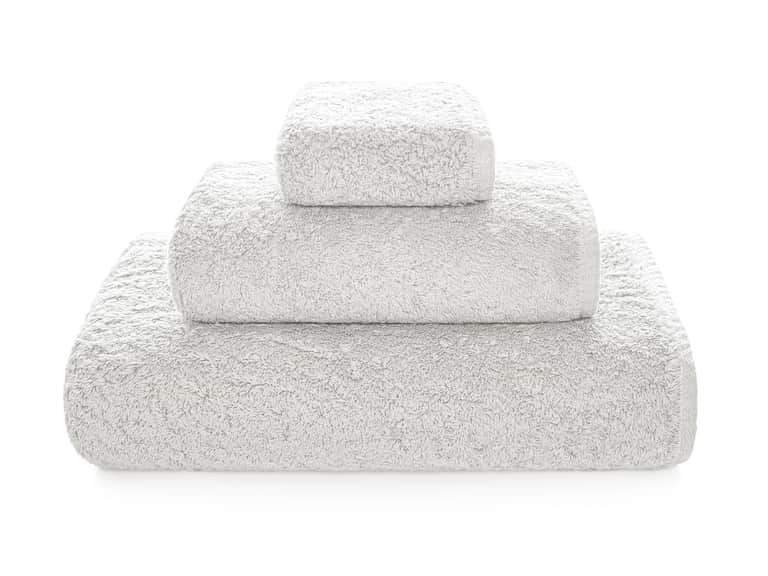
Among premium options, the Graccioza Grand Egoist Towels exemplify luxury and performance. Crafted from 100% Sea Island Cotton, these towels offer an exceptional hand-feel, high absorbency, and durability. With an 800 GSM density and careful pre-washing, they maintain softness and shape after repeated laundering. For households that want a statement of quality while supporting hygiene goals, this line offers a refined solution that aligns with daily hand-drying routines.
Graccioza Grand Egoist Towels
100% Sea Island Cotton for unmatched softness and absorbency. 800 GSM, pre-washed and pre-shrunk, antibacterial properties, and durable bias-bound edges.
Price: $72.00
If you prefer a balance between luxury and practicality, these towels offer an indulgent experience without compromising everyday usability. For households prioritizing eco-conscious choices, consider how premium fibers align with sustainable care cycles and lifespan, turning towel use into a mindful habit rather than a disposable moment.
A Quick, Evidence-Based Home Hand-Washing Routine
A consistent hand-washing routine at home reduces the risk of transmitting germs, especially during peak illness seasons or when caring for children and elderly family members. The following routine is designed to be easily integrated into daily life, with a focus on duration, technique, and frequency.
- Duration: Wet hands with clean water, apply soap, and scrub for at least 20 seconds. A helpful trick is to hum the chorus of a favorite song or count to 20 slowly.
- Technique: Rub palms, the backs of hands, between fingers, under nails, and wrists. Rinse thoroughly.
- Drying: Use a clean towel to dry hands completely, taking care to dry between fingers and around the nails.
- Frequency: Wash hands before eating, after using the bathroom, after handling trash, after coughing or sneezing, and when entering the kitchen from outside activities.
To support these routines, designate dedicated hand-drying towels in each high-use area. This minimizes cross-use of towels and helps reinforce clean habits. The design and placement of towel racks can influence how often family members opt for hand washing and drying in a quick, satisfying way.
Care Tips for Maintaining Clean Towels and Surfaces
Regular care reinforces hygiene in the home. Clean towels regularly, wash at appropriate temperatures, and store them in dry, ventilated spaces to prevent mildew and odor. Clean surfaces near sinks—counters, soap dispensers, and faucet handles—help reduce the microbial load in high-traffic zones.
- Wash towels after 3-4 uses in damp climates or households with shared bathrooms.
- Use a detergent with mild antibacterial properties if desired, but avoid harsh chemicals that can irritate skin.
- Dry towels thoroughly, preferably in a warm, ventilated environment to prevent mildew and maintain softness.
- Rotate towels to ensure even wear and reduce the need for frequent replacements.
Care guides for textiles like the Graccioza Grand Egoist line emphasize gentle handling. Do not bleach, and follow recommended wash temperatures and drying instructions to preserve fiber integrity and antibacterial finishes. Proper care extends the lifespan of premium towels, ensuring ongoing hygiene benefits for households.
Frequently Asked Questions
- How often should I replace hand towels?
- If towels begin to smell, show persistent staining, or lose absorbency after regular washing, consider replacing them. Premium towels may last longer with proper care, but fabric fatigue is inevitable with daily use.
- Can towels be used for other surfaces?
- Hand towels are designed for drying hands and should not be used for wiping up raw foods or cleaning potentially contaminated surfaces. Designated clean towels for different tasks help maintain hygiene.
- What is the best material for hand towels?
- Cotton and cotton blends with high-quality long fibers offer a balance of softness, absorbency, and durability. Premium fibers like Sea Island cotton provide luxurious feel and robust performance, albeit at a higher cost.