Bath textiles · Practical guide
How to Choose a Bath Robe for Comfort, Coverage, and Everyday Care
A bath robe is a small shelter after water: a layer of warmth, privacy, and ease between the shower and the rest of the day. Fabric, weight, shape, and care all influence whether it feels like a welcome comfort or one more damp, bulky item to manage.
Step from a warm shower into a cool room and the body notices the change at once. A robe helps bridge that brief transition. It can absorb a little residual moisture, hold warmth close, and leave hands free for turning off taps, reaching for a comb, or carrying a cup of tea. Its usefulness depends less on any single fashionable detail than on how well its material and fit match the way it will be worn.
Some robes are designed primarily for absorbency, with terry loops that catch water much as a towel does. Others are lighter and more suited to coverage, lounging, or travel. Between those ends are fabrics and weights that combine a soft hand with moderate warmth. Choosing well begins with a simple question: what job should the robe do most often?
Understanding the answer means looking beyond color and first impressions. Fiber content, fabric construction, garment weight, length, sleeve shape, and laundering instructions each affect comfort in daily use. A robe that works beautifully in a cold bedroom may feel too warm in a humid climate; a plush style may be comforting but slow to dry in a small, poorly ventilated bathroom. The best choice is the one that fits the climate, routine, and person who will wear it.
Start with the robe’s purpose
“Bath robe” can describe several different kinds of garment. One is essentially a wearable towel, intended to help dry the body after bathing. Another is a light covering for modesty while getting ready or moving around the home. A third is a warm layer for resting after a bath, swim, or spa visit. Many robes do more than one of these jobs, but not all fabrics are equally suited to each.
- For drying after a shower: Look for an absorbent fabric, such as cotton terry, and consider how quickly the robe can dry between wears.
- For warmth: Think about fabric density, length, and how much of the body the robe covers. A heavier robe may feel reassuring in a cool room but can become uncomfortable in warm weather.
- For getting ready: A lighter robe can provide coverage without creating much bulk or restricting movement.
- For travel or a pool: A robe that folds compactly and dries reasonably quickly may be more practical than a thick, heavy style.
- For lounging: Softness and comfortable movement may matter more than maximum absorbency.
Consider where the robe will live when it is not being worn. A spacious, ventilated bathroom can accommodate a slower-drying garment more easily than a crowded hook beside a steamy shower. A robe kept in a bedroom may need to provide more warmth than one used briefly in a heated bathroom. Routine, room, and climate are part of the garment’s performance.
Fabric and construction: what the surface reveals
Fiber tells only part of the story. The same material can feel very different depending on how it is woven or knitted, how dense the cloth is, and how its surface is finished. When examining a robe, look at the fabric construction as well as the label. Does it have loops, a smooth surface, a raised texture, or a brushed finish? These clues help explain how the robe may handle moisture and warmth.
Cotton terry
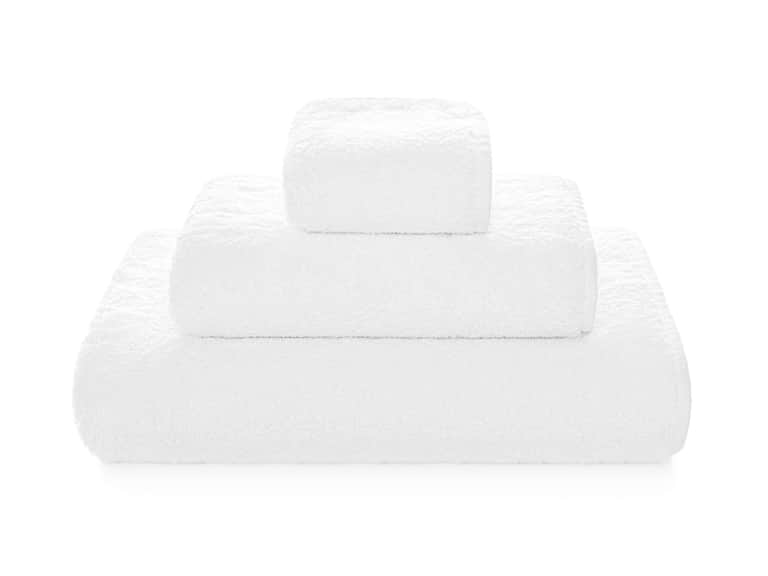
Terry cloth is recognized by its loops. Those loops create a larger surface area that can hold moisture, which is why terry is common in towels and bathrobes. Cotton terry often feels familiar and absorbent, making it a practical choice for a robe worn directly after bathing. The trade-off is that a dense terry garment can be bulky and may take longer to dry than a lighter, flatter weave. If the robe will be worn frequently, think about whether there is enough space and airflow to dry it fully between uses.
Not every terry robe is equally thick. Loop height, density, yarn, and finishing all shape the hand and performance. A robe’s description may use words such as “plush” or “lightweight,” but the care label and garment itself offer more useful clues about everyday demands. When possible, notice how the fabric hangs: a very dense robe may feel substantial on a hanger and heavier when damp.
Waffle and textured weaves
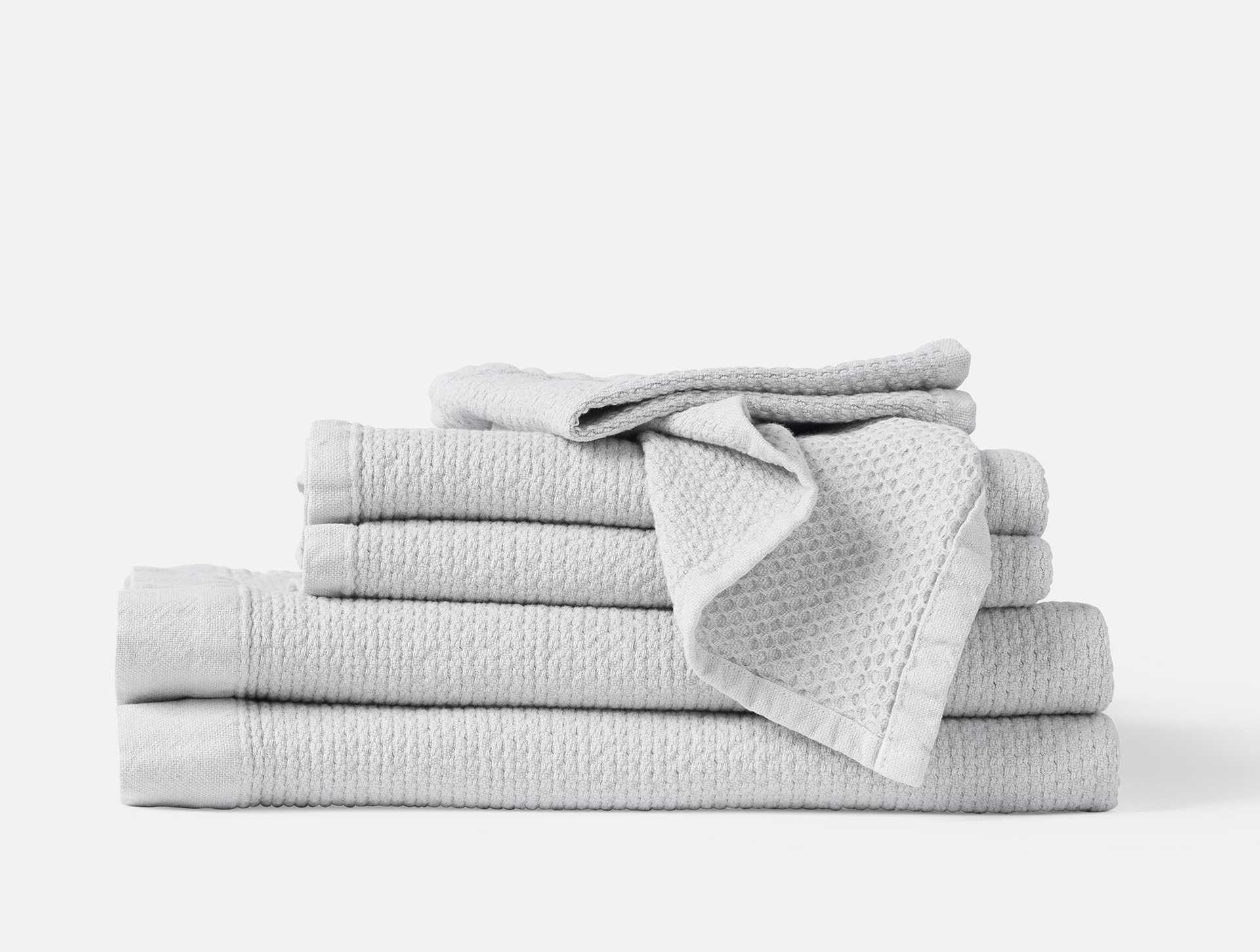
Waffle fabrics have a grid-like relief formed by their weave. The raised texture can feel airy and less bulky than a thick pile, while still offering some absorbency. A waffle robe may suit warm homes, travel, or people who prefer a lighter layer. Its actual warmth and drying behavior depend on fiber, fabric weight, and construction, so “waffle” alone does not guarantee that a robe will be cool or quick to dry.
Flat weaves and lightweight fabrics
A robe made from a flatter, lighter fabric usually packs and hangs more easily than a thick terry one. It may provide comfortable coverage and dry comparatively quickly, though it may not absorb as much water or feel as insulating. These qualities can be useful when the robe is mainly a covering rather than a substitute for a towel. A lightweight robe can also be easier to manage in a small home, where storage and drying space are limited.
Blends and other fibers
Some robes combine fibers to balance qualities such as softness, drape, or durability. The proportions matter, but so do the yarn and construction. A blend should not be assumed to be more absorbent, warmer, or easier to care for simply because it contains multiple fibers. Read the care instructions and consider how the fabric will feel against bare skin, especially if you prefer a particular texture or have sensitivities.
Weight, warmth, and drying time
Fabric weight is one of the most noticeable features of a robe, though product descriptions do not always express it in a directly comparable way. Some textiles list grams per square meter, or GSM, a measure of fabric mass per unit area. In broad terms, a higher GSM often indicates a denser or heavier cloth, but it does not tell the whole story about softness, absorbency, warmth, or drying speed. Fiber, weave, pile, garment size, and finishing all contribute.
Think of weight as a comfort choice with practical consequences. A substantial robe can feel enveloping in winter, but it may be cumbersome when wet and take longer to launder and dry. A light robe can be easier to carry and hang, but may offer less insulation. Neither is inherently better. The right balance depends on how long the robe will be worn, what the room feels like, and whether it needs to manage moisture or simply provide coverage.
Drying time matters because a robe is often used in a damp environment. A garment that stays wet for a long time can become unpleasant to put on again and may develop an unwanted odor if stored before it is dry. A light, breathable robe is not automatically hygienic, nor is a thick robe automatically a problem: good care and complete drying are central. If you know your bathroom is humid, favor a robe that can be spread out on a broad hook or rail and avoid leaving it bunched up.
Fit is about movement as much as size
A robe should stay comfortably in place without making ordinary movement difficult. Check the garment’s measurements and sizing guidance rather than relying only on a familiar clothing size. Robe sizing can vary, and the amount of overlap at the front affects both coverage and comfort. A wrap that barely meets may shift when you sit or bend; excessive fabric can feel cumbersome or catch on nearby objects.
Length is a matter of preference and context. A longer robe can provide more coverage and warmth, while a shorter one may feel easier to move in, especially in a small bathroom or during a busy morning routine. Consider the sleeves, too. Sleeves that extend well over the hands may interfere with washing, grooming, or handling a phone. Sleeves that are too short can leave the arms exposed when warmth is the priority.
Look at the belt and belt loops. A belt should be long enough to tie securely and positioned at a comfortable height. Belt loops help keep it from slipping out of place, while internal ties, when present, can add stability. Pockets are useful for small items or simply for resting hands, but their size and placement can affect how the robe hangs. Check closures and seams for a finish that feels secure and comfortable against the skin.
When trying a robe, move as you would at home: reach upward, sit down, bend gently, and walk a few steps. Notice whether the shoulders pull, the front opens, or the hem restricts your stride. Comfort should not depend on standing still in front of a mirror.
Skin comfort and personal preference
A robe sits close to the body, often when skin is warm or damp. That makes touch important. Some people enjoy the cushioned feel of loops; others prefer a smoother or more textured surface. If you are sensitive to scratchy seams or labels, inspect the inside finish and collar. A soft first impression is helpful, but laundering can change a fabric’s feel, so the care instructions should be part of the decision.
Consider the conditions in which the robe will be worn. In a cool home, softness and coverage may be welcome. In a warm, humid climate, a heavy garment can feel stifling. For sensitive skin, avoid assuming that a particular fiber is universally gentle; individual reactions vary. Choose a fabric you find comfortable, wash it before first use when appropriate, and follow the manufacturer’s guidance.
Color and finish are practical as well as aesthetic. Darker or patterned fabrics may make some marks less visible, while lighter colors can show discoloration sooner. Dyes and finishes are not a substitute for proper cleaning, and a robe should be washed according to its care label. If several household members share laundry equipment, sort colors sensibly and follow instructions for temperature and drying.
A care routine that keeps a robe wearable
Care begins after each wear. Hang the robe open so air can reach both sides rather than leaving it folded over a narrow hook or in a heap. If it is noticeably damp, give it enough time to dry before storing it in a closet or drawer. A ventilated rail is often more effective than a small hook that keeps the fabric bunched together.
There is no single washing schedule that suits every robe. Frequency depends on how often it is worn, whether it is used to dry the body, how damp it becomes, and the wearer’s routine. Follow the care label, and wash sooner if the garment is visibly soiled or no longer smells fresh. For household hygiene, avoid sharing a robe without laundering it between users.
- Read the care label before washing, especially for fiber blends, trims, or special finishes.
- Wash similar colors together and avoid packing the machine too tightly, so water and detergent can circulate.
- Use the recommended amount of detergent; excess residue can affect the fabric’s feel and may be difficult to rinse out.
- Use fabric softener only if the label permits and you prefer the result. Residue from softeners can reduce water absorbency in some towel-like fabrics.
- Dry the robe according to its care instructions, then make sure it is fully dry before putting it away.
- Repair a loose belt loop, seam, or button early, before a small problem becomes harder to fix.
High heat can affect some fibers, elastic elements, trims, and garment shapes. If the label recommends a gentler setting, follow it rather than using the hottest cycle by habit. Line drying can reduce dryer use, but a robe should still be spread out enough to dry thoroughly. Outdoor drying is not always possible or suitable; a well-ventilated indoor space can work if the garment is not crowded among other damp laundry.
Common robe-buying mistakes
Choosing by softness alone. A very soft robe may feel appealing in a store or on first wear, but its weight, fit, and care demands matter just as much. Consider whether the fabric suits your routine and whether you can dry it properly.
Assuming heavier means better. More fabric can provide warmth and a substantial feel, but it also brings extra bulk and may take longer to dry. Lightweight garments can be more practical for frequent wear or travel.
Ignoring the room where it will dry. A slow-drying robe may be manageable in a spacious, airy home and frustrating in a compact bathroom. Match the garment to available hanging space and ventilation.
Buying the wrong coverage. A robe that opens too easily or restricts movement can be uncomfortable no matter how good the fabric feels. Check the wrap, length, sleeve shape, and measurements.
Overlooking care instructions. A garment that requires handling you cannot realistically provide may not be a good everyday choice. Simple, compatible care is part of comfort over time.
A quick decision guide
Before choosing, picture an ordinary morning or evening rather than an idealized spa scene. Will you put the robe on while your skin is still wet, or after towel-drying? Will you wear it for a few minutes or for an hour? Is your home cool, warm, or humid? Where will the robe hang, and how much space do you have for washing and drying?
- Choose an absorbent terry style if post-shower moisture management is a priority and you have room to dry it fully.
- Consider a lighter textured or flat-weave style if you want easy coverage, lower bulk, or a garment that is more convenient to pack.
- Prioritize warmth and length if you will wear the robe in a cool room or for extended lounging.
- Prioritize mobility and moderate weight if you use it while getting ready or moving between rooms.
- Check measurements and care directions before settling on a size or fabric, and consider your real laundry routine.
These are starting points, not rigid rules. A robe is a personal textile: the fabric that feels right to one person may feel too heavy, warm, or textured to another. If possible, handle the material and try the garment on. If shopping remotely, read the specification carefully and look for clear information about fiber content, dimensions, construction, and care.
Comfort is a daily-use decision
The best bath robe is not necessarily the plushest or the lightest. It is the one that gives the right amount of warmth and coverage, moves comfortably with the body, and fits the realities of the home where it will be used. A carefully chosen fabric can make the transition from bath to bedroom feel easier; a sensible fit keeps that comfort practical; and a simple drying routine helps the garment stay fresh between washes.
Think of the robe as part of a wider bath routine rather than an isolated purchase. Towels handle much of the work of drying, while a robe offers wearable coverage and a pause between bathing and dressing. Knowing which role matters most makes the choice clearer. From there, details such as weave, weight, sleeve length, and care instructions turn a broad preference into a useful everyday garment.
In the end, comfort is often quiet. It is the robe that does not pull at the shoulders, feel heavy when damp, or remain clammy on its hook. It is easy to reach for, simple to wash, and dry enough to wear again when needed. Those modest qualities are what make a bath robe earn its place in the daily rhythm of a home.