Intro: Towels as a Lens on Hygiene and Hospitality
The humble towel is more than a utility; it is a messenger of cleanliness, a barometer of seasonal humidity, and a signal of hospitality. When you reach for a towel, you touch a narrative: fibers grown and spun into a fabric, water-wielding loops that wick moisture away, and a weave that speaks to culture—whether a Turkish peshtemal, a linen fouta, or a modern organic cotton bath towel.
In this guide we examine organic towels through three axes: the fiber sources and fabric constructions that govern absorbency and softness; care and maintenance routines that extend life while safeguarding hygiene; and hospitality benchmarks that hotels, inns, and homes use to deliver consistent guest comfort without compromising environmental integrity.
By interweaving historical references with contemporary standards, we arrive at a practical framework for selecting towels that honor both skin health and planetary stewardship.
Fiber Types and Their Hygienic Implications
Towels derive from several fiber families, each with distinct moisture-handling, texture, and care profiles. In the realm of organic textiles, several stand out for their balance of performance and sustainability.
1) 100% Organic Cotton: The workhorse of organic towels, organic cotton varies in fiber length and weave. Long-staple varieties, often seen in premium lines, deliver a plush hand while supporting responsible cultivation. GSM ranges from 320 to 600+, influencing absorbency and warmth. The care principle remains simple: cool to warm wash, gentle cycle, with attention to dyefast, color-retentive fabrics.
2) Turkish Cotton and Flat-weave Editions: Turkish cotton, especially long-staple versions, offers high absorbency with a lighter hand. Flat-weave variants deliver quick-dry performance and add a refined aesthetic that complements contemporary bathrooms and guest spaces.
3) Linen and Linen-Blend Towels: Linen’s natural moisture management and breathability bring a different dimension to towel usability. Linen foutas and fouta-like towels are valued for their quick-dry profiles and an airy hand, often engineered with sateen or other weave finishes for enhanced softness and durability.
4) Mixed Fibers and Lyocell Blends: Some high-end towels blend cotton with Lyocell (a viscose derivative) to optimize brightness, absorbency, and drape. These blends typically emphasize sustainability in their manufacturing, with certifications such as Lenzing’s Lyocell.
Care and Maintenance: Quick-Start Guidelines
Extending towel life while maintaining hygiene rests on consistent, simple routines. Here is a compact quick-start plan:
- Washing: Wash at temperatures between 40–60°C (104–140°F) depending on fiber and dye. For most organic cotton towels, a cold-to-warm cycle with like colors preserves color and fiber integrity.
- Detergent: Use a mild, phosphate-free detergent. Avoid excessive amounts that can leave residues impairing absorbency.
- Rinsing: An extra rinse cycle ensures detergent residues are removed, contributing to hygiene and odor control.
- Drying: Tumble dry on low to medium heat or line dry when feasible. Remove promptly to minimize wrinkling and energy waste.
- Rotation: Maintain a guest-ready set with a rotation strategy—two or more towel sets—so guests always encounter fresh, dry towels.
Hospitality Standards: Towels in Service Environments
In the hospitality industry, towels are a tangible signal of service quality. Hotels, inns, and spas implement color-coding, distinct towel sizes, and predictable replacement cadences to maintain hygiene while communicating a sense of order. A common practice is to stock multiple towel tiers—bath towels, hand towels, guest towels—with staggered replacement cycles and clearly labeled handling paths for staff.
The standards extend beyond laundering. Proper storage, airing between uses, and regular inspection for wear and pilling are essential. Towels are not just soft; they must stay reliable after repeated washings and maintain a consistent absorbency. In sustainable practices, hotels may choose GOTS-certified organic cotton or other certified fibers—ensuring that production aligns with ethical and environmental commitments.
Three Key Figures Across Time
History offers voices from different eras whose observations illuminate how towels evolved as everyday objects and cultural artifacts. Here are three pivotal figures who, in different centuries, reflected on textiles, hospitality, and hygiene.
1) Hildegard of Bingen (1098–1179) — The Early Ethic of Cleanliness
Hildegard of Bingen, a medieval polymath, did not write about towels per se, but her broad reflections on cleanliness and order reveal a society that valued hygiene as a social ethic. In the monastic and noble households she observed, linen and simple fabrics served as tools for ritual cleanliness, personal care, and modest hospitality. Her chronicles gesture toward a culture where textiles—washed linen, plain cottons, and utilitarian coverings—formed a material vocabulary of care. Though centuries away from modern certifications, her emphasis on order and discipline resonates with today’s hospitality standards and the disciplined laundering cycles that ensure guest comfort.
2) Florence Nightingale (1820–1910) — Hygiene as a Public Health Imperative
Nightingale’s pioneering work in hospital sanitation reframed how care was delivered. Though not focused on towels, her insistence on cleanliness, proper laundry processes, and elevated hygiene standards reoriented hospital practices. The implication for towels is clear: fabrics used in patient and guest care must be washed at appropriate temperatures, thoroughly dried, and returned to clean linen carts for use. Her ethos—evidence-based practice, meticulous cleanliness, and systemic organization—echoes in contemporary towel care guidelines and in the way hotels design laundering pipelines to minimize cross-contamination and improve guest outcomes.
3) W. S. Gilbert and the Aesthetic of Domestic Textiles (19th–20th centuries)
The theatre of domestic life—wardrobes, linens, and tablecloths—provided social cues about hospitality. In the Victorian and Edwardian homes, towels and table linens carried their own design language: damask patterns, borders, and the tactile language of fabric. This historical awareness informs modern consumer tastes—where towels are not only functional but curated to complement bathroom design and guest spaces. The legacy of textile aesthetics can be seen in premium linens that marry performance with a refined hand, a priority reflected in many contemporary organic towel lines.
Product Spotlight: The Belgian Towel Fouta Inyo 43x71"
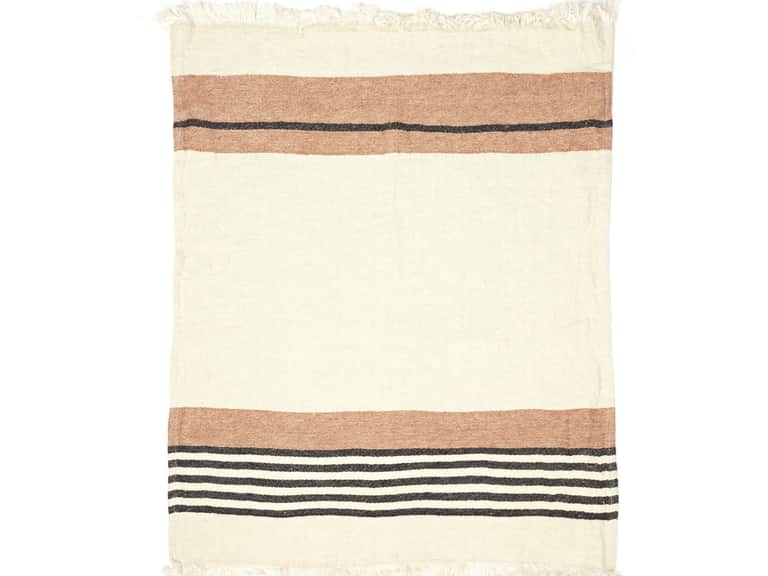
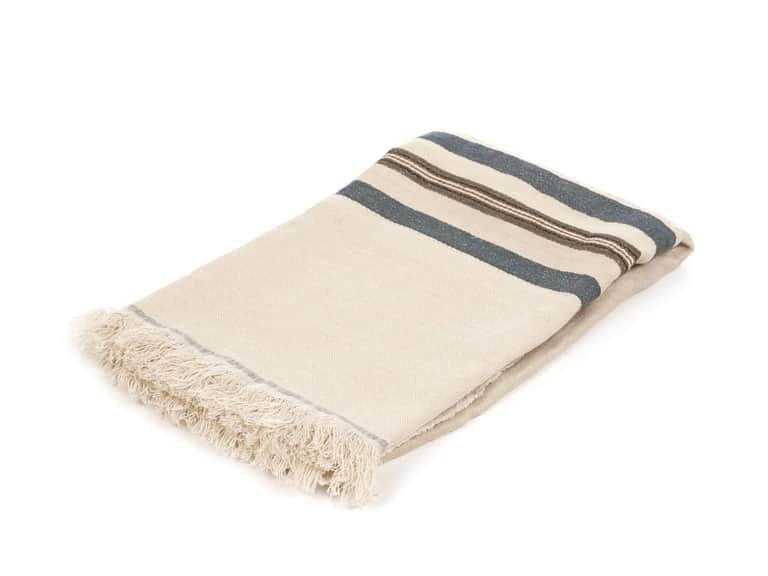
The Belgian Towel Fouta Inyo 43x71" is a 100% linen fouta towel with a washed finish and a sateen weave, designed for multipurpose use—from beach to spa to lounge. Its refined hand and absorbent texture are suited for beach, sauna, or casual home use. Linen fibers convey breathability and durability, making it an enduring choice for guests and everyday living alike.
Material: 100% linen • Construction: Sateen weave • Finish: Washed finish • Care: Machine wash cold on gentle cycle; mild soap; line dry preferred; iron with steam on slightly damp linen
Price: $273.50
Dimensions: 43 x 71 inches
Brand: Libeco
The Inyo fouta exemplifies how linen, a fiber with a storied history, can translate hospitality semantics into a versatile consumer item. In a coastal or spa setting, its absorbency and quick-drying propensity align with guest expectations for comfort and practicality. In a home context, the linen finish invites tactile exploration—a reminder that texture and care are intertwined in the daily rituals of drying, cleansing, and relaxation.
Note on display: The product page references imagery that highlights the fouta’s texture and wash finish. If you are integrating this item into a content plan, consider practical usage examples—beach days, spa moments, or guest towel configurations—to anchor the narrative in real-world settings.
Final Thoughts: Towels as Sustainable Hospitality Instruments
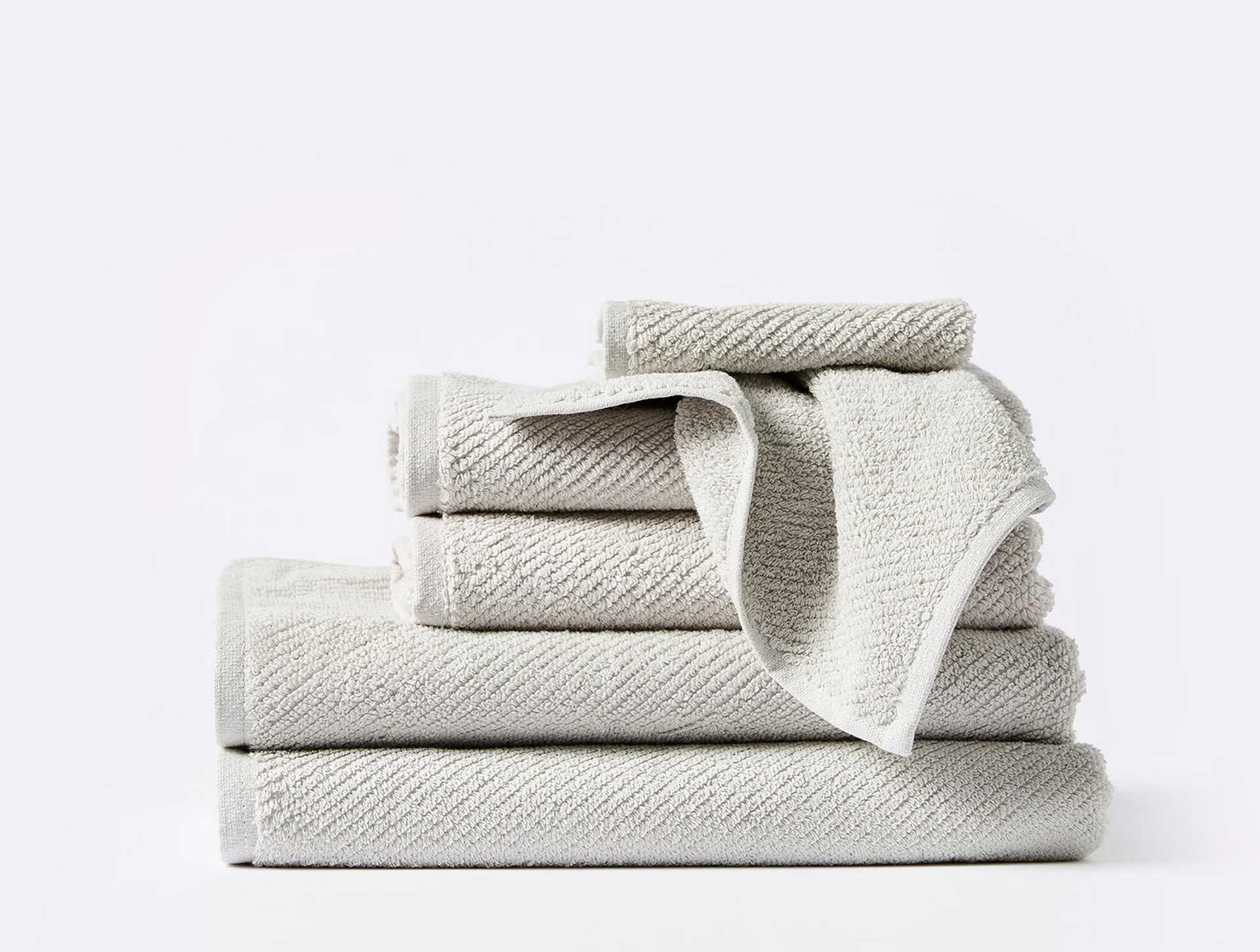
Organic towels embody a pivot toward responsible fiber sourcing and transparent production. When hotels and households prioritize GOTS certification, Fair Trade credentials, and robust care routines, towels become more than fabric; they are a reflection of values: skin health, environmental stewardship, and mindful consumption. The Belgian Towel Fouta Inyo offers a vivid example of a linen-based approach that marries utility with heritage aesthetics, while Air Weight Organic Towels provide a contemporary blueprint for durable, ethically produced cotton textiles.
In everyday practice, select towels with clear care instructions, consistent color-fastness, and durable edges. Rotate sets to minimize wear and ensure that every guest encounters a fresh, dry towel. For hospitality providers, plan washing cadences that align with occupancy patterns and energy-efficient drying, embracing line-drying opportunities when climate allows.